Tulum Beyond the Sea: Cenotes, Lagoons, Birds and Gastronomy Few Know About
There is a wrong narrative about Tulum circulating in travel forums and WhatsApp groups: that when there is sargassum, Tulum loses its appeal. That the beach is everything. That if the sea is not good, it is not worth it.
It is one of the biggest mistakes someone evaluating living, investing, or visiting this city can make.
Tulum has one of the richest natural and cultural ecosystems in the Mexican Caribbean — and most of it has nothing to do with the beach.
The Cenote System: Beneath Your Feet Lies Another World
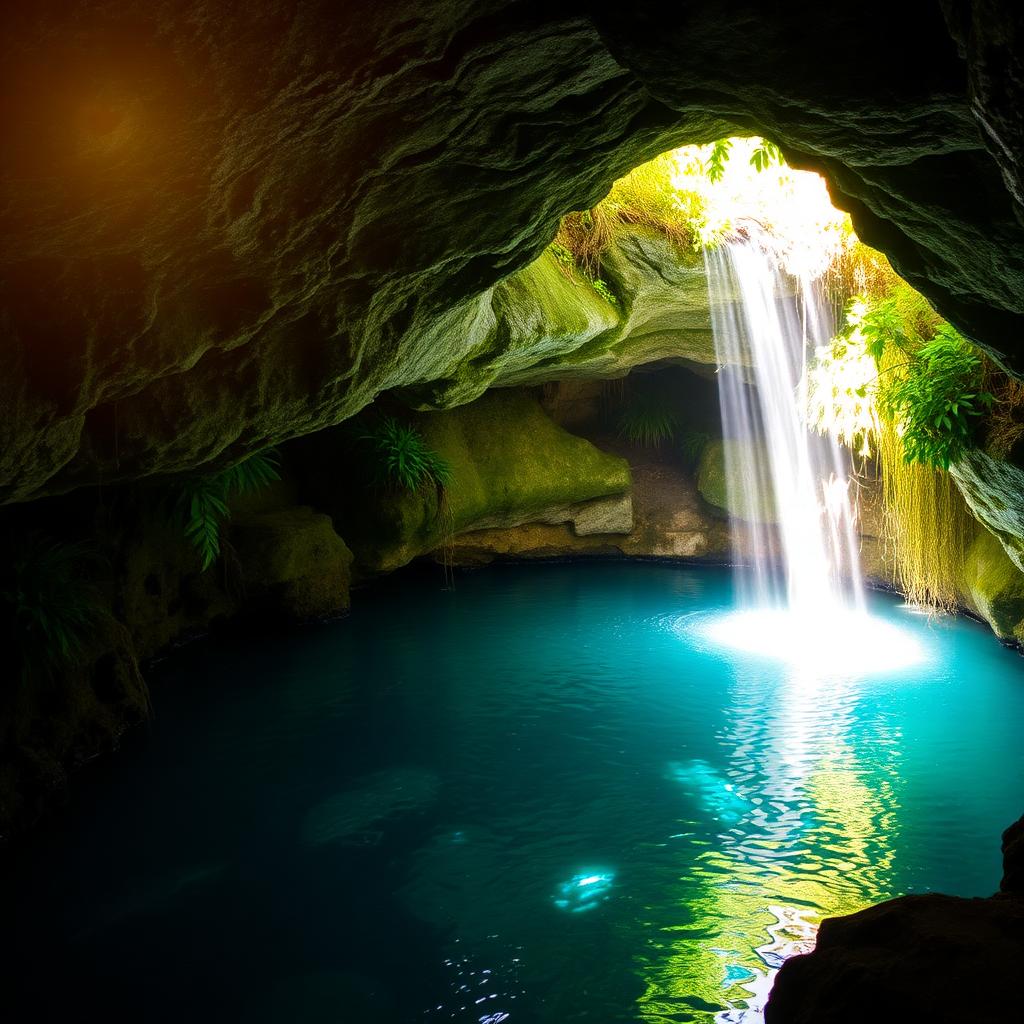
Tulum is built over the planet's most extensive underwater cave system. Kilometers of subterranean rivers, caverns with stalactites, and crystal-clear lagoons connected to each other form a unique ecosystem that exists nowhere else in the world.
The most well-known cenotes near Tulum:
- Gran Cenote: the most iconic, with turquoise waters and abundant underwater life
- Dos Ojos: double cave system, favorite of divers and snorkelers
- Cenote Cristal and Escondido: along the Boca Paila highway, perfect for swimming and relaxing in the jungle
- Aktun Chen: natural park with cenote and impressive stalactite cave
For those who live in Tulum, cenotes are not an occasional tourist attraction. They are the backyard. A Saturday afternoon at a cenote with family or friends is part of the local rhythm of life.
Lagoons: Fresh Water, Silence, and Pure Nature
If cenotes are Tulum's underground jewel, lagoons are its surface equivalent.
Kaan Luum Lagoon is perhaps the area's best-kept secret. Just minutes from downtown Tulum, its waters in multiple shades of blue — from light turquoise to deep blue at the center — make it a scene that looks like it came out of a documentary. It is perfect for paddleboarding, floating in a hammock over the water, taking photos, or simply being.
Yal-Kú Lagoon, near Akumal, is a unique case: fresh water from inland cenotes mixing with salt water from the Caribbean, creating a semi-enclosed lagoon with two coexisting ecosystems. Tropical fish, mangroves, occasional sea turtles, and water transparency that lets you see the bottom clearly. No waves, no currents, perfect for snorkeling at any level.
Muyil Lagoon, inside Sian Ka'an, is the wildest of all. You arrive by boat through the ancient canals the Mayans used for centuries to connect land with sea. Mangroves, birds, silence, and a feeling of having arrived at a place time never touched.
Sian Ka'an: The Reserve That Has It All
20 minutes from any area of Tulum, the Sian Ka'an Biosphere Reserve is a UNESCO World Heritage Site and one of the most important natural spaces in the hemisphere.
780,000 hectares of tropical jungle, mangroves, lagoons, reefs, and virgin beaches. Inside Sian Ka'an you can:
- Kayak through Mayan canals
- Snorkel in untouched reefs
- Boat tours through the lagoons
- Hike in tropical jungle
- Birdwatching in their natural habitat
This is not a park with artificial attractions. It is real nature, protected by law, accessible from Tulum in less than half an hour.
Birdwatching: A Serious Destination for Birdwatchers
Tulum and the Riviera Maya are internationally recognized as birdwatching destinations — something most visitors completely overlook.
The lagoons, the mangroves of Sian Ka'an, and the edges of cenotes are habitat for species rarely seen elsewhere:
- Turquoise-browed motmot: iconic bird of the region, with bright colors and unmistakable tail
- Roseate spoonbill: one of the most photogenic wetland sightings, especially in Sian Ka'an
- Herons and egrets: green heron, snowy egret, and great egret appear in lagoons and shallow waters
- Pelicans and frigatebirds: constant presence on the coast
- Flamingos: in Rio Lagartos, less than 3 hours from Tulum, colonies of pink flamingos in salt lagoons unique in Mexico
At dawn, on the margins of any lagoon or cenote, the silence fills with sounds that remind you where you really are: in one of the richest ecosystems on the continent.
Gastronomy: A Scene That Surprises
Tulum's gastronomy went from being a tourism add-on to being a destination in itself.
Today Tulum has:
- Contemporary Mayan cuisine with chefs working local ingredients — achiote, chaya, habanero, cacao — in sophisticated proposals with international recognition
- Fresh seafood from the Caribbean and the Gulf, served at market cevicherías and beach restaurants
- Taco gatherings and Yucatecan cuisine: cochinita pibil, papadzules, panuchos — the local food that supplies the everyday Tulum resident
- Producer markets: organic cacao, melipona honey, tropical fruits, artisanal cheeses
- Specialty coffee with beans from Chiapas and Oaxaca
- Mixology with local ingredients: mezcal with holy herb, cocktails with tamarind and chili, Mayan fermented drinks
Mayan Archaeology: History Steps from Home
Living in Tulum means having direct access to one of Mesoamerica's most important archaeological legacies:
- Tulum Archaeological Zone: Mayan ruins on the cliff facing the Caribbean, unique in the world
- Cobá: 45 minutes away, with the tallest pyramids in Quintana Roo surrounded by jungle
- Muyil: inside Sian Ka'an, lesser known and more immersive
- Chichen Itza: 2.5 hours away, World Wonder and one of the most studied constructions in human history
For those who live here, this is not tourism. It is context. It is living inside a 3,000-year history.
Tulum is a Complete Ecosystem
Sargassum comes and goes. Seasons change. But the system of cenotes, the lagoons of Sian Ka'an, birdwatching at dawn, the ever-growing gastronomy, the Mayan ruins, and the jungle that surrounds everything — that does not change with the calendar.
That is permanent. That is Tulum.
Somos Casa Real Estate has been living and working in Tulum for over a decade. If you want real market information, we are available.